Add your promotional text...
Starting The Pokémon TCG
Everything you need to get started with the Pokemon TCG
Ben R-E
3/5/20266 min read
The Pokémon Trading Card Game (TCG) has captivated players for nearly three decades. Whether you're a long time Pokémon fan or new to the franchise entirely, learning the TCG is an exciting journey that's accessible to all ages. This guide will walk you through everything you need to start your Pokémon TCG adventure.
What You need to get started
Before diving into your first battle, you'll need to gather a few essential items:
The Basics:
- A 60-card deck (this is your main requirement)
- Damage counters or dice (to track your Pokémon's HP)
- Poison and Burn markers (coins or specific markers work well)
- A coin or dice for flipping (many attacks and effects require coin flips)
- A playmat
- Card sleeves to protect your cards from wear and tear
Optional but Helpful:
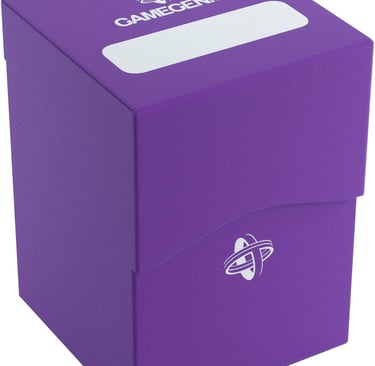
- A deckbox to store and transport your deck safely
- A container for your dice, damage counters and status markers (A mini Tin works well)
- Condition markers for status effects like Paralysis, Sleep, and Confusion
The good news is that many products come with a lot of these items included, making it easy to begin playing right out of the box.
Recommended Items – (However check the Peterborough Trainer Hub discord for the items below as the admin team have some freebies to hand out.)
Elite Trainer box - Comes with Sleeves, damage/standard dice and condition markers as well as 9 packs and a promo card (The sleeves aren’t the best quality)
Sleeves – Dragon Shield are our recommendation – (Example: https://amzn.to/3Nm2tpM)
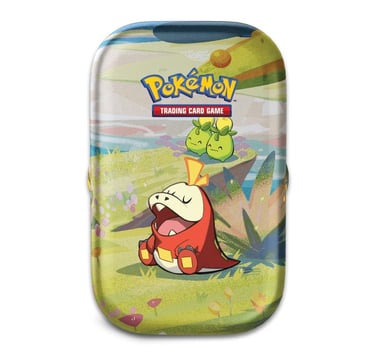
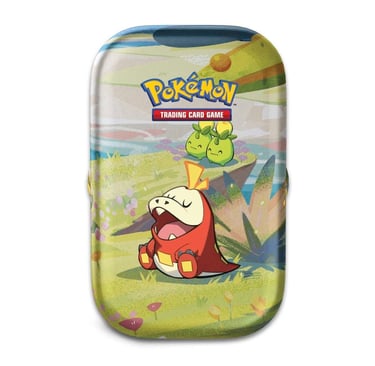
Pokémon Mini Tin - Includes 2 packs, can be found from most reputable online retailers
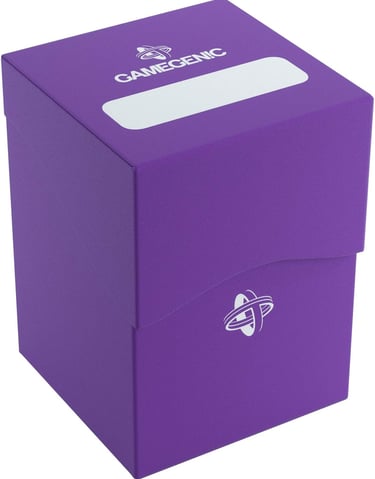
Deck box - Your local TCG store will have them. (https://amzn.to/4jE5nm6 as an example)
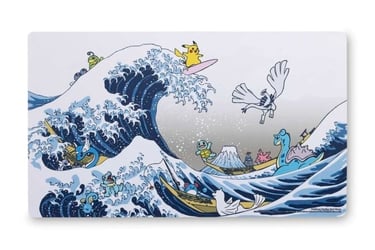
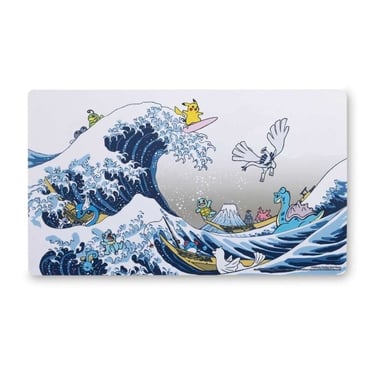
Playmat – The Pokémon Centre Website have some great products or you can purchase your very own PTH playmat.
Understanding the Basic Rules
The Pokémon TCG might seem complex at first glance, but the core gameplay follows a logical structure that becomes easier with practice.
Below is a very quick explanation of how the Pokemon TCG is played, however I’d recommend looking on Youtube or attending one of our learn to play events which can be found on our discord.
The Goal:
Your objective is to collect six Prize cards before your opponent does. You take a Prize card each time you Knock Out one of your opponent's Pokémon (Unless stated otherwise). You can also win if your opponent has no Pokémon in play or can't draw a card at the beginning of their turn.
Setting Up:
Each player starts by shuffling their 60-card deck and drawing seven cards. You'll then place one Basic Pokémon face-down as your Active Pokémon (the one that battles) and up to five more Basic Pokémon face-down on your Bench. You'll also set aside the top six cards of your deck as Prize cards, face-down. Once both players are ready, flip all Pokémon face-up and begin.
Turn Structure:
Each turn follows the same sequence. You'll draw one card from your deck, then you can take several actions in any order: play Basic Pokémon to your Bench, evolve your Pokémon, attach one Energy card from your hand to one of your Pokémon, play Trainer cards, use Abilities, and retreat your Active Pokémon (by paying its Retreat Cost). Finally, you can attack with your Active Pokémon if it has the required Energy attached, which ends your turn.
Card Types:
The game uses three main card types. Pokémon cards are your battlers, each with HP, attacks, weaknesses, resistances, and a retreat cost. Energy cards power your Pokémon's attacks, with each attack requiring specific types and amounts of Energy. Trainer cards provide various effects, from drawing cards to healing your Pokémon to searching your deck for specific cards.
Battle Mechanics:
When your Active Pokémon attacks, you'll use one of its attacks if you have the required Energy attached. Your opponent's Active Pokémon takes damage equal to the attack's damage value, tracked with damage counters. When a Pokémon's damage equals or exceeds its HP, it's Knocked Out, sent to the discard pile, and you take a Prize card. Weakness and Resistance can modify damage, typically doubling it or reducing it by 30 respectively.
Recommended Starter Decks/Products
The best way to begin playing is with a preconstructed deck designed specifically for newcomers. These products provide everything you need to start battling immediately.
Battle Academy:
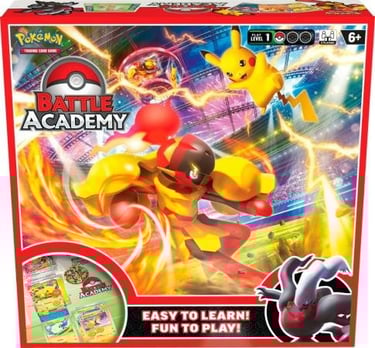
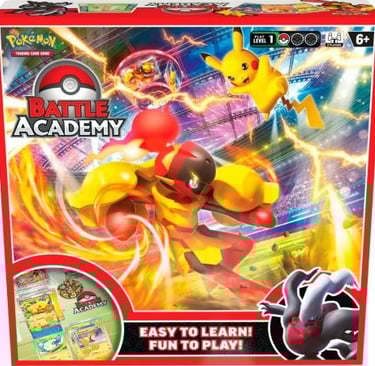
The Pokémon TCG Battle Academy is widely considered the best entry point for absolute beginners and younger players. This box includes three complete 60-card decks featuring Pikachu, Cinderace, and Eevee, along with a playmat, tutorial guide, damage counters, and a rulebook with illustrated gameplay examples. The decks are simplified versions that teach you the fundamentals before introducing more complex mechanics. It's designed for two players and includes everything needed for multiple people to learn together.
League Battle Decks:
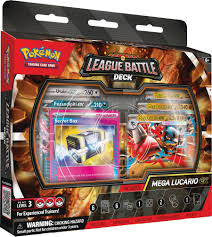
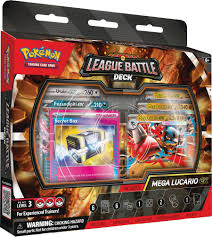
League Battle Decks offer competitive-level preconstructed decks that are ready to play right out of the box. Recent releases include decks featuring Pokemon like Mega Lucario* and Dragapult ex. These decks include a complete 60-card deck, damage counters, a coin, a paper playmat, a cardboard deckbox, and a code card for the online game. They're powerful enough to compete at local tournaments while still being accessible to newer players.
* The Mega Lucario League Battle Deck releases in May 2026
Trainer's Toolkit:
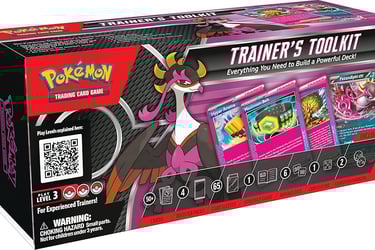
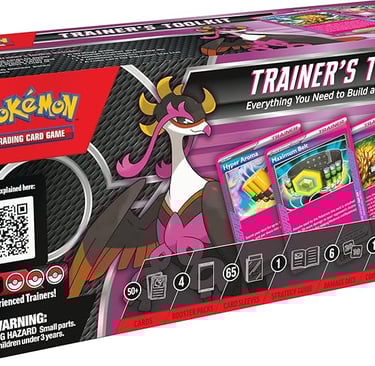
While not technically a starter deck, the Trainer's Toolkit is an excellent supplemental product that provides essential staple Trainer cards used in virtually every competitive deck. This is a great purchase after you've learned the basics and want to start building or upgrading your own decks.
Tips for Your First Games:
If you can’t make one of our learn to play sessions or any other face to face session. Start with the Pokémon TCG live app if possible, as its tutorial structure will walk you through gameplay step-by-step. Don't worry about making mistakes during your early games as they're part of the learning process. Focus on understanding one concept at a time rather than trying to master everything at once. Take your time reading each card carefully, as card text in the Pokémon TCG is precise and important.
Building Your Collection:
After mastering the basics with a starter deck, you might want to expand your collection. Booster packs contain 10 random cards including at least one rare card and are the most common way to build your collection. Elite Trainer Boxes provide eight to ten booster packs along with Energy cards, sleeves, dice, and a storage box. Build & Battle Boxes are pre-release products that include four booster packs and a 40-card deck core you can customize. When you're ready to optimise your deck, consider buying single cards from local game stores or online retailers, which is often more cost-effective than opening packs when searching for specific cards.
Ready to Battle
The Pokémon Trading Card Game offers a perfect blend of strategy, collecting, and nostalgia that appeals to players of all ages. With a starter product and an opponent willing to learn alongside you, you'll be battling competently within just a few games. The key is to start simple, be patient with yourself, and most importantly, have fun.
The Pokémon TCG community is welcoming and always excited to help new players discover this engaging game. Remember that every player started exactly where you are now. So shuffle up your deck, call out your Active Pokémon, and begin your journey to becoming a Pokémon TCG master.
Your first Prize card awaits!